Lime Mortar Repointing

Why Repoint?

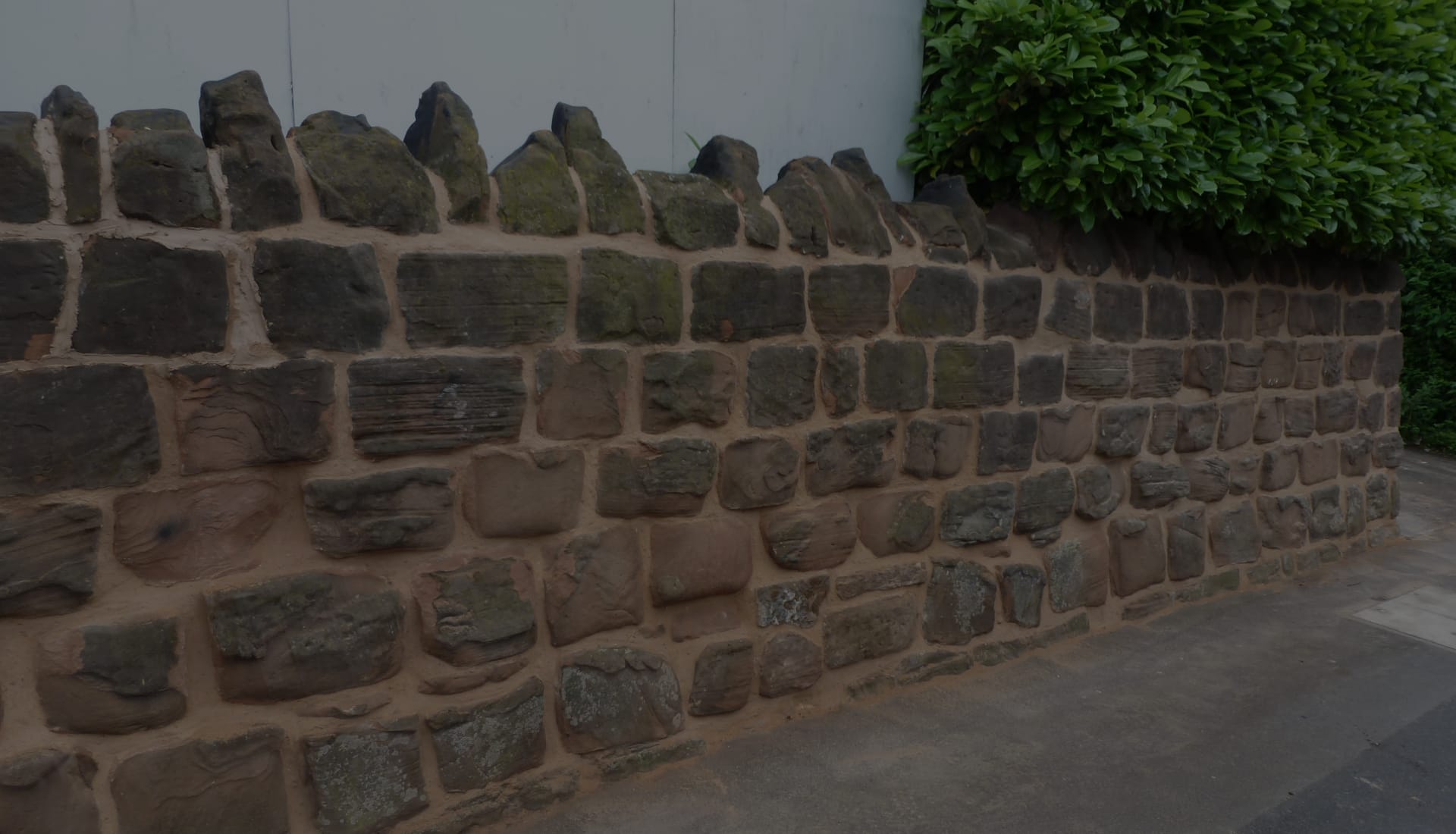
Repointing stone and brickwork in a suitable lime mortar is a very important aspect of building maintenance.
The two main reasons for why lime-pointing repairs may be required are:

The original lime pointing has decayed over time and needs to be replaced.
This may be the result of gradual decay through natural weathering cycles, or failure as a result of poor maintenance; Blocked gutters or overflow pipes, for example, can lead to damp masonry and result in frost damage.

The masonry has been re-pointed with a cement-based mortar at a later date.
This can cause problems to the building and/or the adjacent masonry and needs to be replaced with a more appropriate mortar.
  • Lime Mortar Repointing
  • Lime Mortar Repointing

Why Lime Mortar?

It is important to ensure that the lime mortar used is weaker than the host stonework.

The main benefit of using lime mortar in masonry is because it is a far softer, and more porous material than cement mortars.

When used correctly, lime mortars allow the structure to move (which rigid cement-mortars do not) and encourages any moisture present to evaporate from the joints of the stonework more effectively. By encouraging this moisture movement, often termed ‘breathability’, the moisture is not only removed from within the building fabric, but also reduces the likelihood of subsequent issues caused by damp, such as decay caused by soluble salts (efflorescence) and frost damage.

Repointing in Lime

In order to maintain the appearance of historic masonry and brickwork, it is essential that the decayed mortar is not removed by mechanical means; i.e., grinding or cutting wheels.

To ensure that the original joint widths are maintained, it is necessary to use appropriate hand tools such as a range of plugging chisels (of different widths) and a small hammer. It also goes without saying that the mason should be of sufficient skill and experience.

Once the old mortar has been removed, the new lime mortar is placed in the brushed and wetted joints using thin trowels and small tools.

The application and aftercare of lime mortars require careful control during the drying process. Depending on the weather conditions, it will need protection from being rain-saturated or drying out too quickly due to heat or strong winds.

A brushed finish is often applied to the mortar once it has achieved a certain level of carbonation. This gives a satisfying surface treatment that enhances the appearance of the mortar on historic structures.